Rivalry Periods Activating Staged Bonus Mechanisms in Combined Athletic and Casino Wagering Systems
Paul Schmitz · Sep 23, 2026
Rivalry Periods Activating Staged Bonus Mechanisms in Combined Athletic and Casino Wagering Systems
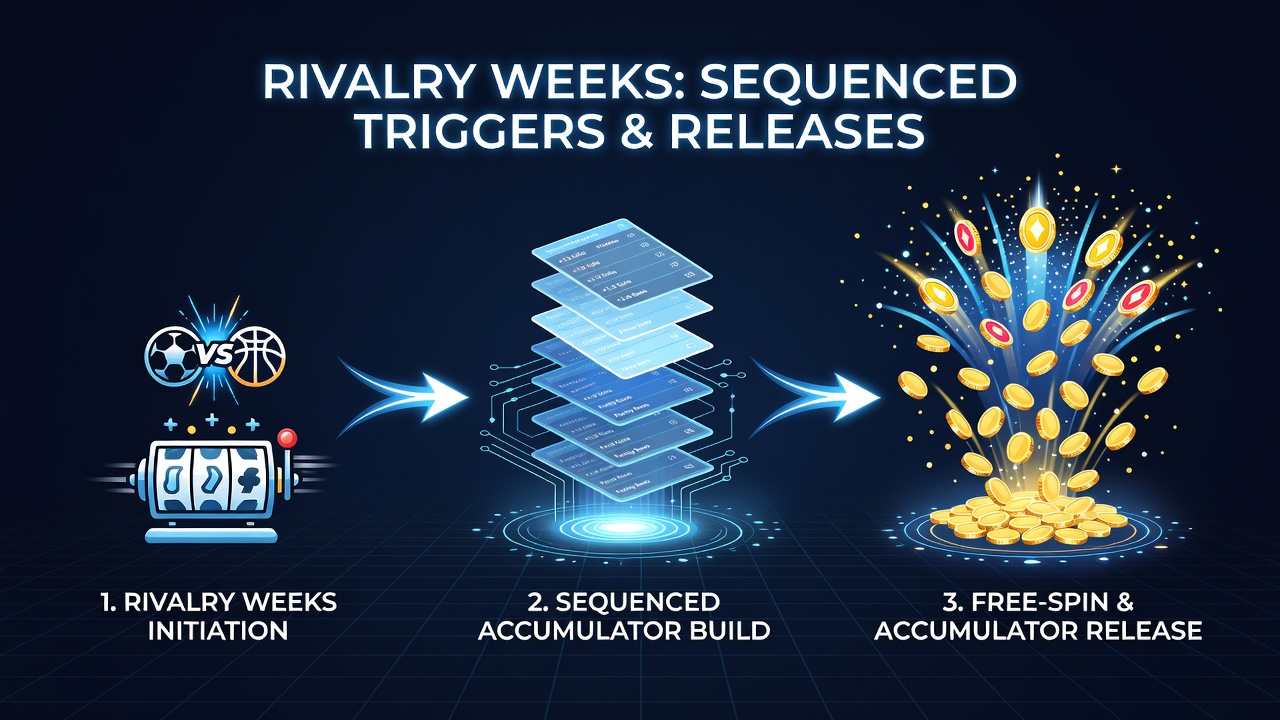
Intense rivalry weeks in football, basketball, and tennis schedules often align with coordinated releases of accumulator enhancements and casino free-spin cycles on platforms that combine sports and gaming verticals, and these patterns have drawn attention from operators tracking user activity across seasons. Data from industry reports indicate that such periods see increased sequencing where sports betting incentives activate first, followed by casino rewards that extend engagement windows.
Calendar Triggers and Platform Responses
Operators monitor fixture lists where derby matches and high-stakes rivalries cluster, such as those occurring in September 2026 when several European leagues and North American basketball preseason events overlap with late-summer tennis circuits. Research from the European Gaming and Betting Association shows that these overlaps prompt systems to release accumulator multipliers on multi-leg sports bets before unlocking free-spin batches tied to casino sections, creating a staggered flow that matches predicted traffic spikes.
Platforms integrate scheduling APIs with bonus engines so that when a rivalry fixture set goes live, the accumulator offers appear in user accounts within hours, while free-spin mechanics follow after initial wager thresholds clear. Observers note this sequencing reduces overlap fatigue and sustains activity across verticals without requiring separate logins or navigation.
Sequencing Logic in Accumulator and Spin Releases
Accumulators tied to rivalry outcomes receive staged boosts where the first leg might carry an automatic stake multiplier, and subsequent legs unlock progressive free-spin credits once certain result thresholds hit. Figures from regulatory filings in New Jersey reveal that hybrid platforms deploy these layers to align with live event timelines, ensuring sports incentives resolve before casino rewards activate in the same session window.
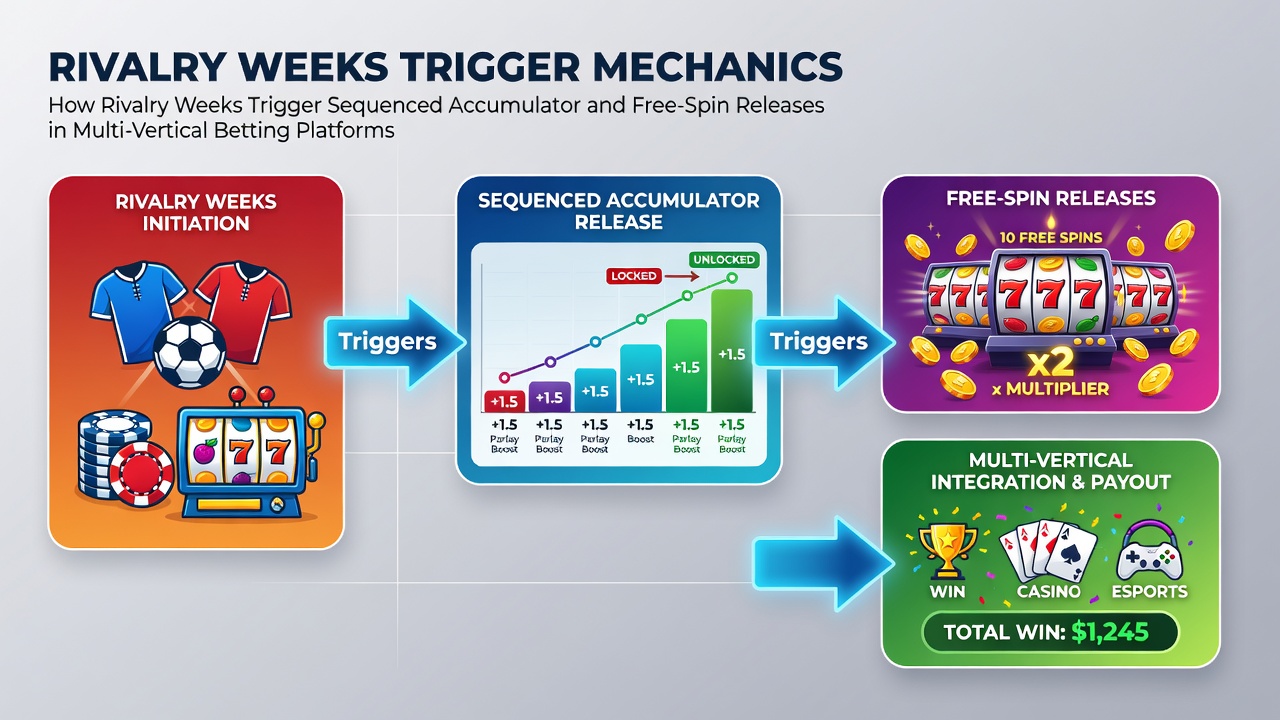
Free-spin releases often depend on accumulator completion rates, so users who place rivalry-week multis see their casino allocations refresh automatically the next day. This mechanic appears in systems that blend football, basketball, and tennis data feeds with casino RNG modules, and analysts from the University of Nevada Gaming Research Center have documented how these connections extend average session durations during peak rivalry clusters.
Cross-Vertical Data Flows and User Pathways
Multi-vertical setups route user behavior signals between sports and casino databases, allowing an accumulator win on a basketball rivalry game to trigger a tennis-related free-spin bundle or vice versa. Evidence from Australian regulatory summaries indicates that such pathways rely on real-time event APIs that flag rivalry intensity levels, prompting the platform to sequence releases in order of predicted completion speed.
Users following multiple disciplines encounter these sequences as unified notifications rather than isolated promotions, which keeps activity centralized. One documented case in operator logs showed a sequence beginning with a football derby accumulator and concluding with table-game spins after the final result posted, all within a single 48-hour rivalry block.
Regulatory and Technical Considerations
Jurisdictions require clear separation between sports and casino mechanics, yet platforms maintain compliance by tagging each release phase distinctly in backend logs. Data shared by Canadian provincial gaming authorities highlight that rivalry-week sequencing must include transparent eligibility rules to avoid bundling violations across verticals.
Technical teams update these systems ahead of known fixture peaks, testing how accumulator resolution feeds into spin-credit distribution without latency. The approach keeps both sports and casino activity compliant while capitalizing on calendar-driven interest spikes.
Conclusion
Rivalry weeks serve as predictable catalysts for sequenced accumulator and free-spin mechanics because they concentrate user attention across disciplines on hybrid platforms. The resulting flows connect sports outcomes directly to casino reward timing, supported by data integrations that operators refine each season. Patterns observed through September 2026 fixtures and similar future clusters continue to shape how these staged releases operate within regulatory boundaries.